Health Education Resources
- Details
- Category: Health Education Resources

Glaucoma is a leading cause of vision loss and blindness in the United States — especially for African Americans and older adults. Glaucoma is a group of eye diseases that can cause vision loss and blindness by damaging a nerve in the back of your eye called the optic nerve. Unfortunately, half of the people with glaucoma don’t know they have it.
Glaucoma doesn’t have any symptoms at first, but over time it can cause peripheral (side) vision loss and blindness. That’s why we need your help to get the word out about glaucoma. There’s no cure for glaucoma, but treatment can often stop the damage and prevent further vision loss. People who are at risk for glaucoma need to know what steps they can take to help protect their vision. There’s no cure for glaucoma but starting treatment as early as possible can help stop vision loss.
The only way to check for glaucoma is to get a comprehensive dilated eye exam.
Anyone can get glaucoma, but some people are at higher risk. You’re at higher risk if you:
- Are African American and over age 40
- Are over age 60, especially if you’re Hispanic/Latino
- Have a family history of glaucoma
Talk with your doctor about your risk for glaucoma and ask how often you need to get checked. If you’re at higher risk, you need to get a comprehensive dilated eye exam every 1 to 2 years.
If you or a loved one has been diagnosed with glaucoma, you may have questions about what this means. There’s no cure for glaucoma, but here’s the good news — it can be treated. And starting treatment early is the best way to stop the damage and protect your vision.
Talk to your eye doctor about your symptoms and treatment options. Visiting the doctor can be stressful, especially when you’re dealing with a new diagnosis.
It helps to have questions written down ahead of time when visiting your doctor:
- What type of glaucoma do I have?
- How often do I need to get a checkup for my glaucoma?
- What are my treatment options?
- What will happen if I don’t get treated for my glaucoma?
- How will I know if my treatment is working?
- What are the possible dangers or side effects from treatment?
- Does glaucoma put me at risk for other eye diseases?
- What can I expect for my vision — now and in the future?
- Are there any activities I should avoid?
This Glaucoma Awareness Month, join the National Eye Health Education Program in encouraging everyone at higher risk for glaucoma to get a dilated eye exam. It’s the best way to protect your vision!
Source: NIH, National Eye Institute
- Details
- Category: Health Education Resources
‘Tis the season for festive gatherings with family and friends, but according to the CDC, more viruses can be spread during this time of year because of large gatherings, crowded travel, and more time indoors. As we approach the cold and flu season, it's crucial to adopt measures that support our immune system and overall health.
These tips are designed to provide guidance for individuals looking to navigate the season and keep their immunity high. To help us stay on top of our health during the impending holiday rush and cold and flu season, here are a few tips to stay proactive amid the seasonal challenges:
- Prevent the Spread: Clean and disinfect your home before hosting guests to minimize the spread of germs. Taking this step before more people enter your common environment can create a healthier space for all.
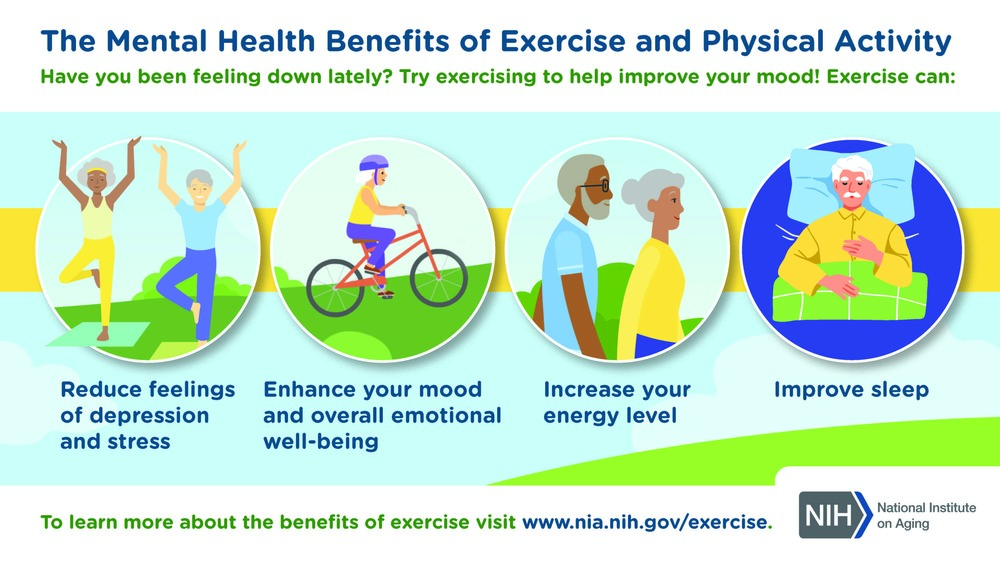
- Prioritize Quality Sleep: Adequate and quality sleep is paramount for a robust immune system. Ensuring you get sufficient, high-quality sleep each night can significantly improve your body's ability to fend off illnesses.
- Stay Hydrated: In colder weather, it's easy to forget the importance of staying hydrated. Drinking plenty of water is crucial to fortify your defenses against potential illnesses and helps maintain overall vitality.
- Prioritize Nourishment and Real Meals: It’s important to eat three full meals filled with each ‘macronutrient’ (i.e., protein, fat, and complex carbohydrates) but especially to support a less nutrient-dense holiday. It sounds so simple, but that’s one of the biggest shifts we can make around eating during the holidays is not sacrificing the need to eat breakfast, lunch, and dinner. When we eat well-balanced meals, we naturally have an easier time balancing our sweets intake.
- Manage Symptoms as They Come: Sometimes we are not as lucky to avoid cold symptoms, and when they start it is pivotal to act fast. Also, relying on what our elders used, drinking tea with honey before bed can help to soothe symptoms.
- Mitigate Holiday Stress: While the holiday season is joyous, it can also be stressful. Taking time each day to deal with stress through activities like establishing a bedtime routine, journaling, meditating, or simply enjoying alone time can contribute to a robust immune system.
These tips aim to keep health top of mind and prioritize your own wellbeing as temperatures drop and viruses spread, as nobody wants to miss out on holiday cheer and celebration with loved ones.
Sources:
- CDC
- Nutrisense
- Yahoo! Finance
- BusinessWire